
The Louvre: A Hidden History
Keira Doyle
From fortress to fame, Paris’ Louvre has transformed beyond recognition. Now widely regarded as the city’s most iconic museum, adored by both Parisians and tourists, its 12th century origins have been almost entirely hidden by history.
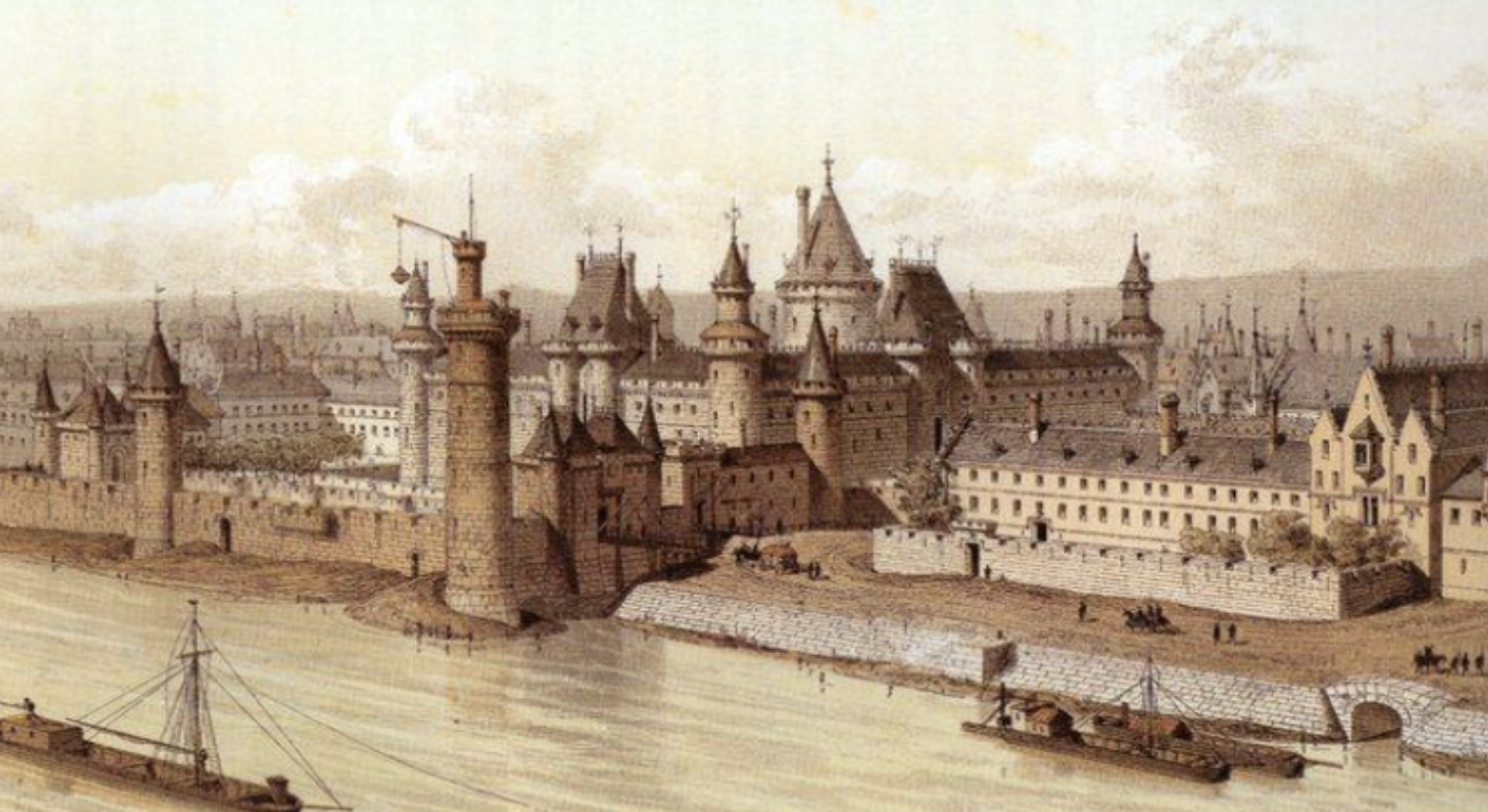
In 1190, King Philip II, wary of foreign invasion, ordered the construction of a vast stone fortress to defend the city. This was strategically located off the right bank of the River Seine, offering a lookout point in case of attack. To this day, remnants of the medieval foundations can still be seen in the basement of the Sully wing of the museum, a quiet reminder of the Louvre’s military beginnings.
The defensive requirements of the Louvre gradually became redundant by the mid-14th century. It was at this point that King Charles V abandoned the Île de la Cité, declaring the Louvre as the new royal residence, beginning its slow transformation from fortress to palace. But it wasn’t until the reign of King Francis I that the evolution of the Louvre, and the city of Paris along with it, really began.
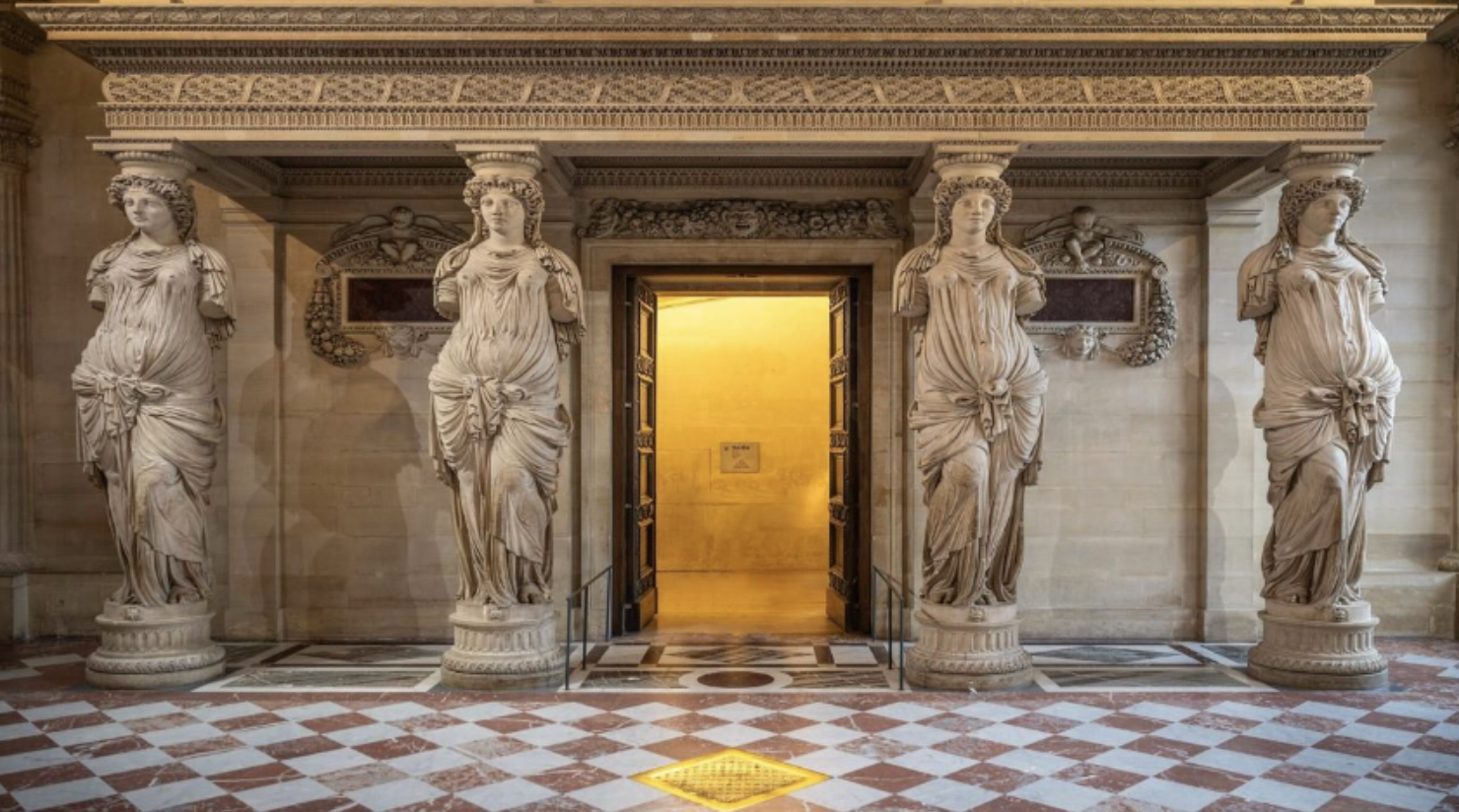
Francis sought to create a palace reflecting his love for art, elegance and grandeur - and the Louvre was the perfect blueprint on which to project this love. He envisioned large and opulent rooms in the palace building, dressed in the Renaissance style of the period. Although Francis died in 1547, temporarily halting this project, it was soon continued under his son and successor, King Henry II.
Architect Pierre Lescot and sculptor Jean Goujon were commissioned to bring the visions of Francis to life, creating intricate sculptures and grand staircases, revitalising the eloquence of 16th-century Renaissance art, and celebrating the true representation of the human figure and the natural world.
The Louvre continued to stand as a symbol of aristocratic wealth and regal power for centuries. That image was shattered with the French Revolution. In 1791, in a dramatic anti-monarchical statement, the revolutionary government issued a declaration stating that the former grand palace would become a public museum, displaying the vast collection of artworks confiscated from the Church and the royal family.
The evolution of the private royal collection into a publicly owned venue truly began upon the imprisonment of King Louis XVI on August 10, 1792. Exactly one year later, on August 10, 1793, the Musée du Louvre opened its doors to the public for the first time, displaying 537 of the seized works.
From that moment, the Louvre was no longer the pinnacle of royal exclusivity but became symbolic of the ideals of modern France- ‘Liberté, Égalité, Fraternité’. The redistribution of artwork into public hands displays the desire for freedom and an end to class divisions, marking the beginning of a new cultural philosophy.
The history of the Louvre is rich and extensive, yet few are aware of the transformations of the largest art gallery in the world. Its journey to becoming a world-renowned museum was not a smooth one, but it can be seen as a testament to France’s historical ties with art and the enduring uniting power of this art.