
Exploring a Windrush legacy: in conversation with Monica Brown
James Watson and Raphael Roy Taylor
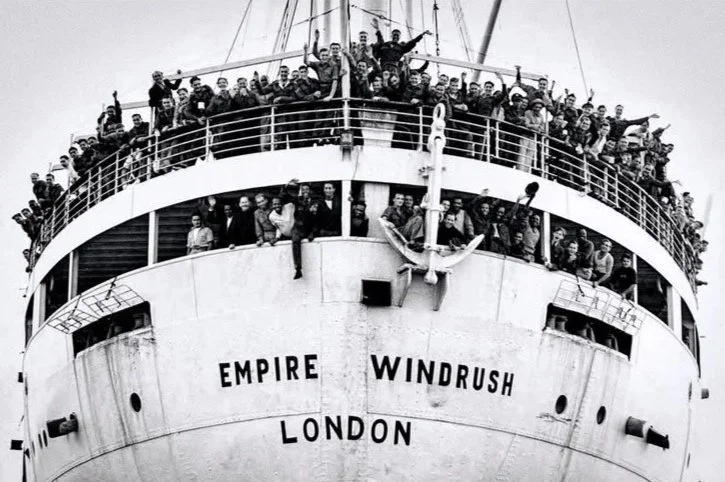
The Empire Windrush, c. the New European
An estimated 500,000 Caribbean migrants arrived in Britain during the 1950s. They were given the label of the ‘Windrush’ generation, after the pioneering ship that carried many of the first Caribbean nationals to Britain in 1948.
During this first wave of migration, 87,000 of whom settled in the West Midlands. This is where Monica Brown’s story begins.
Her father first came to Britain in 1955. Her mother followed in 1957. They married in 1958. Their motivation? “To improve themselves and better their life chances”. “My parents came in that first wave of migration, still remembering the sounds and smells of Jamaica,” she said.
Her father had skills in carpentry and civil engineering, valuable in the revitalisation of infrastructure in a war-torn Britain, while her mother took up a position as a trainee nurse at Warwick Hospital later on.
The move – for her father’s work – was only ever meant to be a temporary affair before a return home to Jamaica. Her father immediately “smelled the stench of racism” and intended their time to be brief, a stepping stone to return to the family's actual home more comfortably. His sights remained set on a life on the island. Monica’s first memories are not of the UK, but instead of Jamaica. Her father knew that the environment there was healthier for young children to grow up.
From 1964, though, Leamington Spa was home to the Brown family again. Growing up in Britain during the 1960s was especially difficult. Her experiences reflect a country in a state of transition from white-British hegemony to a fully-fledged multi-ethnic society. At school, Monica recounted the “overt, frequent and casual” discrimination her and her brothers faced; she even was spat on in her own garden in Leamington Spa. This was such a shocking and humiliating moment for Monica that she did not speak of it to anyone for years.
“There is a demographic that exhibits entrenched racism and that will never change,” she said.
Racism was not simply exhibited by individuals- institutions demonstrated an incredible disregard for communities. The Conservative governments of the early 1960s focused on curbing immigration, and as a result Iciline was refused a visa two times when returning from Jamaica to the UK.
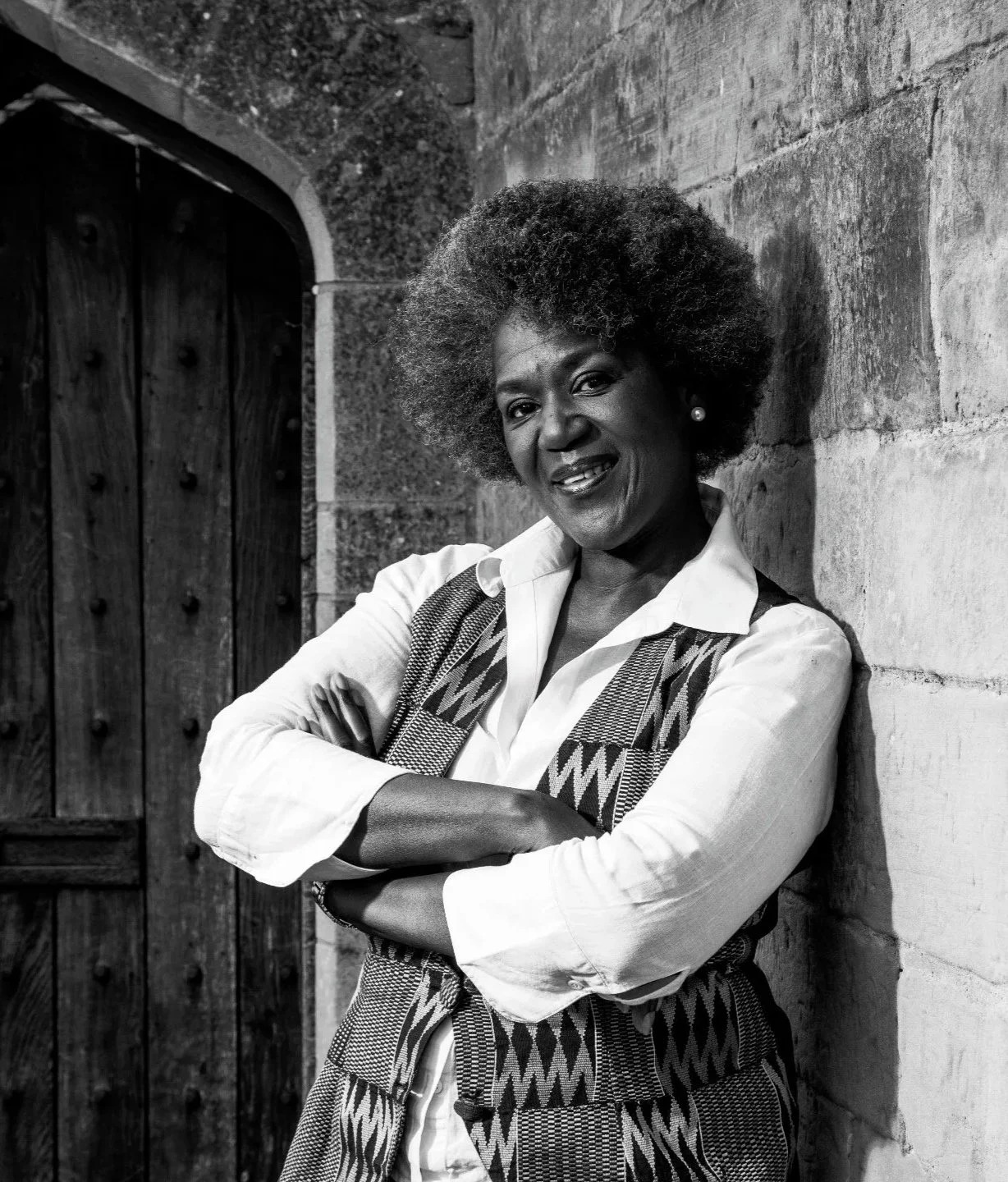
Left: Monica Brown
In 2018, the Windrush scandal emerged. This refers to the forced detention and threats of deportation of several hundred members of the ‘Windrush Generation’ (1948-71).
The scandal was primarily the result of poor record-keeping by the government and led to mistrust from a significant portion of the British-Caribbean population when it broke.
Iciline had retired and returned to Jamaica, and found herself cut off from her children and grandchildren for years, missing birthdays, graduations and milestones.
Monica’s entire family were ensnared in the difficult task of facilitating the reinstatement of her mother’s UK citizenship, which would allow her to return to the country. As a family, they began a 2+ year campaign to pressure the government into facilitating Iciline’s return, a “collective pressure” on the government that demonstrated the impact of the scandal on a family.
“We sent countless emails to our MP, used different media channels, and appeared on Jamaican national television”, but this bottom-up approach, building a sense of outrage at the injustice was not as impactful as they hoped.
She described weeks turning into months and then years in the prolonged battle to get her mother’s citizenship recognised. “After two years, we were getting nowhere”. Monica even had to tell her mother that “it was over”. In one last desperate gambit, she “crafted the letter of my life” to the then Home Secretary, Priti Patel.
Miraculously, 5 days later, she received a letter of apology from the Home Office, stating that Iciline’s biometric card, allowing her access to the UK would shortly arrive. However, Monica’s experiences meant that she “believed nothing from the Home Office until it actually happened”. The following day the card was finally delivered- they had won.
In the wake of Monica’s own brush with history, she decided to focus on training “leading legal lights” in the Caribbean community to craft letters to the Home Office on behalf of Windrush citizens, aiming to recreate the result she achieved. She recognises that without the unity and ultimately “gutsy grit” that her family demonstrated in their campaign, the outcome would likely be different.
So many Windrush citizens did not have the benefit of the “collaboration and coordination”, and crucially the expertise to “use the media to expose wrong”. This was the gap Monica was so determined to close.
Monica felt that for too long there had been a collective and wilful ignorance over the role of people like her and her family in Britain’s history. Beyond this, she believes that the Windrush generation and their descendants have missed an opportunity by not fighting to shape the direction of Britain’s history by first documenting and sharing their stories with their families and communities.
2018 marked the 70th anniversary of the first Windrush arrivals, and yet, says Monica, the country had not made progress in recognising the contributions of countless Caribbean migrants. For her, Windrush Day, though laudable in celebrating the contribution of the Caribbean community to public and community life in the UK, remains for her a day of rage at the ongoing betrayal and injustices still being experienced by the Windrush generation and their children.
Her story is indicative of the tensions of a history that is still being realised, shaped and evolved. The real story of how the Windrush generation made Britain the country it is today is still not fully understood, even as Monica cites – by members of the Caribbean population. “There needs to be a rethink” to understand better and explain the contribution of Windrush citizens to British society, as well as the barriers society and institutions put in their way. Huge strides have been made since Monica was born, but we are by no means at the end of the journey.